

Wisdom Teeth Removal
Oral Examination for Extraction of Wisdom Teeth
Wisdom Teeth Presentation
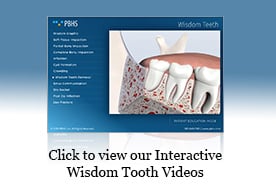
To provide you with a better understanding of wisdom teeth, we have provided the following multimedia presentation. Many common questions pertaining to wisdom teeth are discussed.
With an oral examination and appropriate X-rays, Dr. Strickland can evaluate the position of your wisdom teeth and identify existing or potential problems. An evaluation helps determine whether removal or continued monitoring is appropriate.
Your comfort options and treatment plan will be discussed during your consultation. Depending on your needs, wisdom tooth removal may involve local anesthesia, nitrous oxide, or moderate conscious sedation with local anesthesia.
Why Should I Have My Wisdom Teeth Removed?
If there is not enough room for your third molars to erupt properly, they may become impacted or difficult to keep clean. Impacted wisdom teeth do not always require removal, but an examination can help identify problems and determine the appropriate timing of treatment.
Concerns that may be considered when evaluating your wisdom teeth include:
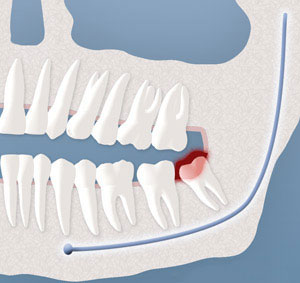
Infection
When a wisdom tooth only partially erupts, the surrounding gum tissue can trap food and bacteria. This may lead to pericoronitis, a localized gum infection that can cause pain, swelling, and difficulty chewing.
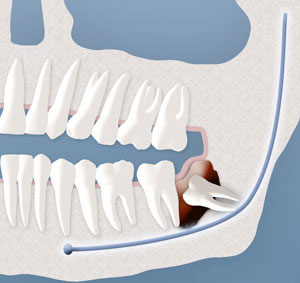
Cyst Formation
A cyst can sometimes develop around an impacted wisdom tooth. As it grows, it may damage nearby bone or teeth. Examination and imaging help identify these changes and guide treatment recommendations.
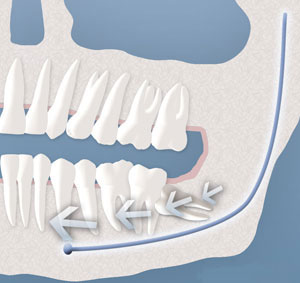
Tooth Position and Available Space
Your evaluation includes the position of your wisdom teeth and the space available for them to erupt. Tooth crowding has several causes, and removing wisdom teeth does not guarantee that other teeth will remain aligned. Recommendations are based on your overall dental health and treatment needs.
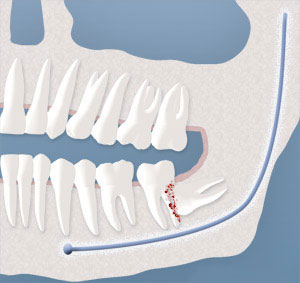
Damage to Adjacent Teeth
If there is inadequate room to clean around a wisdom tooth, the neighboring second molar may develop decay or gum problems. The position of an impacted tooth can also affect nearby structures.
What If I Don’t Have My Wisdom Teeth Removed as a Teenager or Young Adult?
The decision to remove wisdom teeth depends on your symptoms, examination findings, tooth position, and other individual factors. Age can influence the complexity of treatment and recovery, but it is not the only consideration.
If your wisdom teeth are retained, regular dental examinations and imaging when appropriate help monitor for changes. Dr. Strickland will discuss the benefits and risks of removal compared with continued observation.
What Happens on the Day Wisdom Teeth Are Removed?
Your anesthesia options will be discussed at your consultation. If moderate conscious sedation is selected, it helps you relax while remaining able to respond to instructions. Local anesthesia is also used to numb the treatment area.
We ask that a parent or responsible adult accompany you to the office, drive you home, and plan to stay with you for the rest of the day. The procedure takes approximately 60 to 90 minutes. Additional time may be needed for preparation and recovery before you leave the office.
If you will receive sedation, follow the fasting instructions provided by our team, including avoiding food and drinks for six hours before your appointment unless you receive different individualized instructions. Take medications before surgery only as directed by your treating team. If you have not followed the preparation instructions, contact our office before your appointment; your procedure may need to be rescheduled.
When you are seated in the treatment room, we will make every effort to help you feel comfortable. If you are receiving IV sedation, we usually place the IV in your right arm. Local anesthesia is administered to numb the treatment area. You may remain drowsy after the procedure and should follow all instructions provided for recovery at home.

The Day of Treatment
Arrange for a parent or responsible adult to accompany you, drive you home, and stay with you for the rest of the day following wisdom tooth removal.
After Extraction of Wisdom Teeth
Removal of wisdom teeth may be performed using local anesthesia, nitrous oxide, or moderate conscious sedation with local anesthesia, depending on your treatment plan. Your recovery instructions will reflect the procedure and anesthesia you receive.
If your surgery requires stitches, they are usually the type that dissolve within one to two weeks and do not require removal. We do not routinely schedule a postoperative appointment solely for removal of dissolvable stitches. If a follow-up evaluation is needed for another reason, our team will let you know.
Some soreness and swelling are expected after an extraction. Follow the instructions provided for managing discomfort, protecting the extraction sites, and keeping your mouth clean. Take pain medication and any other prescribed medication only as directed.
Begin with the foods and fluids recommended in your postoperative instructions, and advance your diet as directed and as comfort allows. Be careful while your mouth remains numb to avoid biting your lips, cheeks, or tongue.
Contact our office if you have persistent heavy bleeding, severe or worsening pain, fever, unexpected or persistent numbness, or concerns about your recovery. Seek emergency medical care for difficulty breathing or swallowing.
What Does Wisdom Tooth Removal Cost?
The fee for treatment depends on factors such as the number of teeth being removed, the complexity of the extractions, and the anesthesia selected. During your consultation, Dr. Strickland will review your X-rays, complete an examination, and discuss your treatment options before providing an estimate.
Our team can explain the estimated costs and available payment options before treatment begins.
What If I Have Questions Before Surgery?
At your consultation, we will discuss your individual situation and encourage you to ask questions. If additional questions arise afterward, please call our office at Gateway Dental Columbus LLC Phone Number (812) 370-0019 to speak with our team.

Preparing for Sedation
Follow your individualized preoperative instructions. Unless our team directs otherwise, do not eat or drink for six hours before your sedation appointment. Ask our team how to manage your regular medications.
